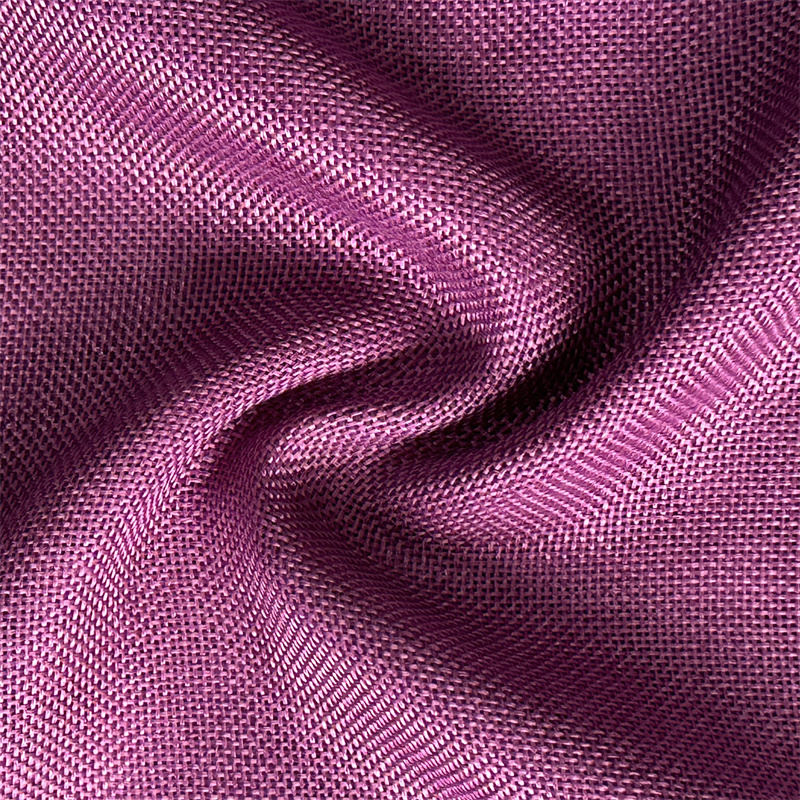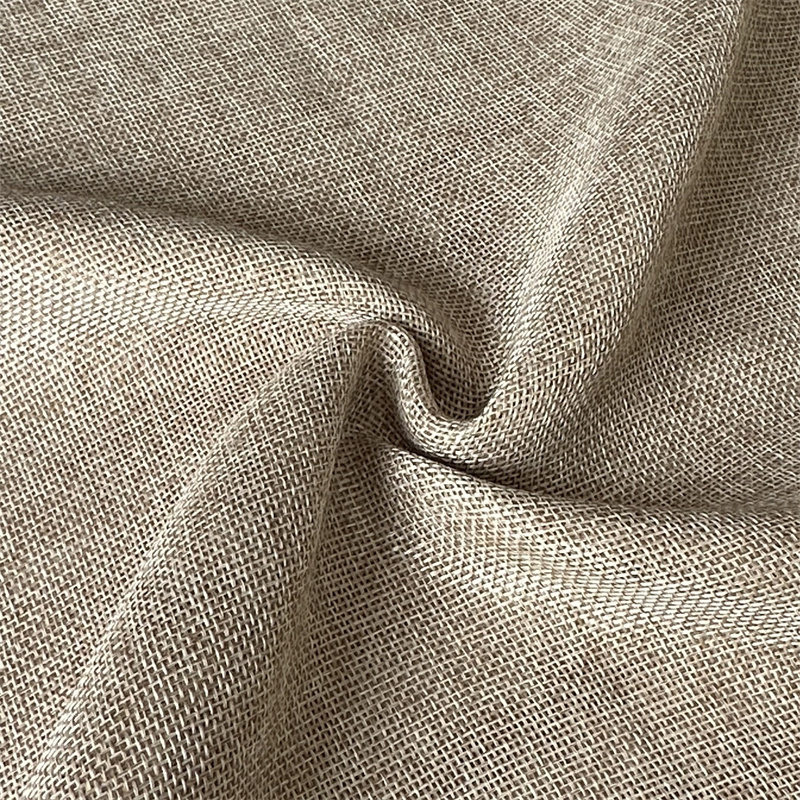


모조 실크 원단이란 무엇이며 실제 실크와 다른 점은 무엇입니까?
모조 실크 직물 is a broad category of textile materials engineered to replicate the visual sheen, smooth hand feel, and fluid drape of natural silk without using the actual filaments produced by silkworms. Natural silk is one of the most expensive and labor-intensive textiles in the world — producing one kilogram of raw silk requires approximately 5,000 silkworm cocoons and weeks of careful processing — which places it beyond the practical reach of mass-market fashion and everyday home textiles. Imitation silk fills this gap by using synthetic or semi-synthetic fibers that can be spun into continuous filament yarns and woven or knitted into fabrics that closely approximate silk's signature optical and tactile properties at a fraction of the cost and with significantly greater manufacturing scalability.
진짜 실크와 모조 실크의 차이는 섬유의 기원과 분자 구조에 뿌리를 두고 있습니다. Natural silk is a protein fiber — specifically fibroin — secreted by silkworm larvae as a continuous filament that averages 600 to 900 meters per cocoon. Its triangular cross-section acts as a prism, refracting and reflecting light in a way that produces the characteristic multi-dimensional shimmer unique to genuine silk. Imitation silk fabrics achieve their luster through different mechanisms depending on the fiber used — in polyester faux silk, the trilobal or flat filament cross-section refracts light similarly to silk fibroin; 비스코스 레이온의 매끄러운 연속 필라멘트 구조는 직물 표면 전체에 빛을 균일하게 반사합니다. Neither fully replicates the depth and complexity of natural silk's optical behavior, but at commercial fabric widths and in finished garments the visual difference is subtle enough that most non-specialists cannot distinguish them at a glance.
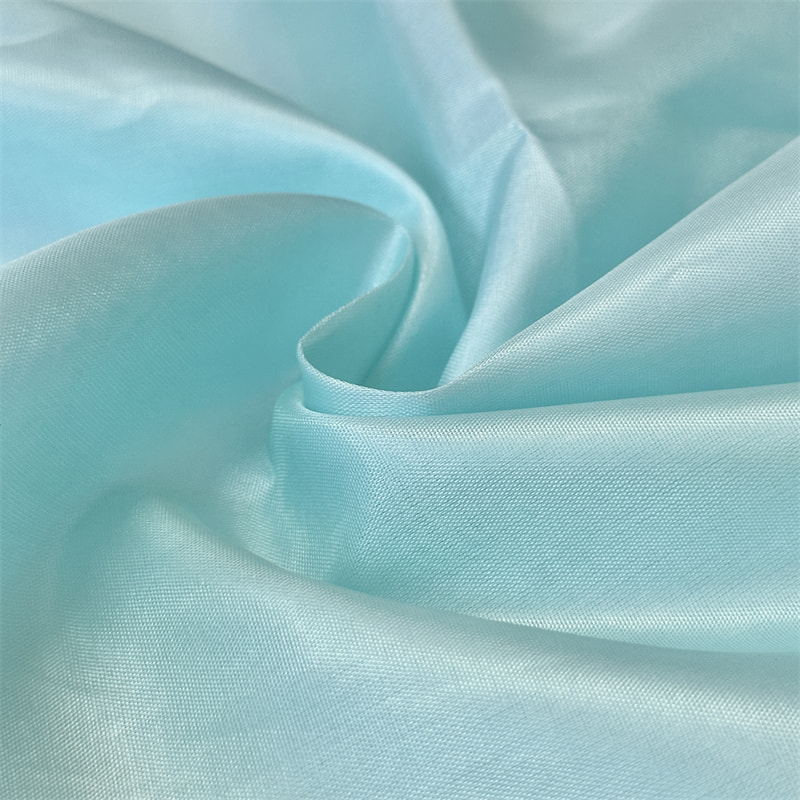
모조 실크 직물의 주요 유형과 섬유 기원
Several distinct fiber types are used in the production of imitation silk fabric, each with different raw material sources, manufacturing processes, and performance characteristics. Understanding the differences between these fiber types is essential for making informed purchasing decisions and for matching the imitation silk to the requirements of a specific application.
폴리에스테르 모조 실크
Polyester is the most widely produced imitation silk fiber globally, used in fabrics marketed as "poly silk," "satin polyester," "charmeuse," and a range of similar commercial names. Polyester filaments for silk-like applications are extruded through specially shaped spinnerets that produce flat, trilobal, or cross-shaped fiber cross-sections designed to maximize light reflection. The resulting yarns, when woven into satin or plain weave constructions at fine gauge, produce a bright, lustrous surface with excellent color saturation and color fastness. Polyester imitation silk is highly wrinkle-resistant, dimensionally stable through washing and wearing, and available in the widest color range of any imitation silk type — including the deep jewel tones and iridescent finishes that make silk-effect fabrics popular in eveningwear and home furnishings. Its main limitations relative to natural silk are lower breathability in warm conditions and a tendency to develop static electricity during wear — both properties addressable through antistatic finishing treatments and fabric construction choices.
비스코스 레이온 및 모달 모조 실크
Viscose rayon — commonly called simply "viscose" in Europe and "rayon" in North America — is a semi-synthetic fiber derived from regenerated cellulose, typically wood pulp, processed through a wet spinning process into continuous filament yarns. Viscose is significantly more breathable and moisture-absorbent than polyester, with a softer, more natural hand feel that many consumers find closer to the character of genuine silk in direct skin contact. Its drape is fluid and lightweight, making it an excellent choice for blouses, lingerie, and lightweight dresses where movement and a natural feel are priorities. The main disadvantages of viscose rayon are its susceptibility to shrinkage during washing if not carefully handled, its tendency to wrinkle easily, and its reduced strength when wet compared to dry — a property that requires care when laundering viscose silk-effect garments. Modal, a higher-quality variant of viscose produced from beechwood cellulose with a modified spinning process, offers improved wet strength, softer hand, and better dimensional stability than standard viscose while retaining comparable breathability and drape.
큐프로 및 리오셀(텐셀) 모조 실크
Cupro — also known as cuprammonium rayon — is a regenerated cellulose fiber produced from cotton linter waste dissolved in a copper-ammonia solution. It produces a very fine, smooth fiber with a natural sheen and breathability that many textile professionals consider the closest imitation to natural silk among all man-made alternatives. Cupro is often used as a lining material in luxury garments — including those from high-end European fashion houses — precisely because its comfort against skin rivals silk at a lower cost. Lyocell, produced under the Tencel brand by Lenzing, is a more sustainable regenerated cellulose fiber with a closed-loop production process that recovers and reuses the solvent used in spinning. Lyocell silk-effect fabrics combine natural sheen, excellent moisture management, and a smooth surface with better environmental credentials than conventional viscose, making them increasingly popular in sustainable fashion lines seeking a silk aesthetic.
모조 실크와 실제 실크: 실제 비교
For buyers deciding between genuine silk and imitation silk for a specific application, a direct comparison across practical criteria is more useful than a general quality discussion. 아래 표에는 실제 사용에서 가장 중요한 요소 전반에 걸쳐 가장 관련성이 높은 차이점이 요약되어 있습니다.
| 재산 | 리얼 실크 | 폴리에스테르 모조 실크 | 비스코스 모조 실크 |
| 광택 | 깊고 다차원적인 | 밝고 균일한 광택 | 부드럽고 은은한 광택 |
| 통기성 | 우수 | 낮음~보통 | 좋음 |
| 드레이프 | 유동적, 가중 | 유동성, 경량 | 매우 유동적이며 부드럽습니다. |
| 주름 저항 | 보통 | 매우 높음 | 낮음 |
| 관리 용이성 | 섬세함 - 드라이클리닝 또는 손세탁 | 간편함 - 세탁기로 세탁 가능 | 보통 — gentle cycle |
산업 전반에 걸쳐 모조 실크 직물의 일반적인 응용
Imitation silk fabric's combination of aesthetic appeal, practical durability, and cost accessibility has made it the default choice for silk-look applications across virtually every market segment where natural silk would be either prohibitively expensive or impractically delicate for the intended use.
패션 및 이브닝웨어
Polyester charmeuse and satin weave imitation silk dominate the fast fashion and mid-market eveningwear segments, used for slip dresses, occasion blouses, maxi skirts, and formal gowns where the silk-like drape and sheen create a luxurious visual effect at accessible price points. The ability of polyester imitation silk to hold vivid printed designs — particularly the large-scale floral and abstract prints that have been prominent in contemporary womenswear — makes it a versatile design canvas that natural silk can match in quality but not in commercial scale or cost efficiency. High street brands and department store private label collections use imitation silk extensively for their premium-positioned occasion wear lines, where consumer expectations of silk aesthetics are met through fabric visual quality rather than fiber content.
란제리 및 잠옷
The lingerie and sleepwear categories are among the most sophisticated end uses for imitation silk, where fabric hand feel against skin is critical and both viscose and cupro imitation silk outperform polyester in the tactile comfort dimension. Satin-weave viscose and modal nightgowns, camisoles, and robes provide the smooth, cool-against-skin feel associated with silk sleepwear at prices accessible to mainstream consumers. The moisture-absorbing properties of cellulosic imitation silk fibers also provide comfort advantages over polyester in extended wear contexts — particularly important in sleepwear where moisture management during sleep directly affects comfort quality. Premium lingerie brands increasingly specify Tencel or cupro as their imitation silk base material to balance consumer demand for a genuine silk feel with sustainability positioning and competitive retail pricing.
홈 텍스타일 및 인테리어 장식
Imitation silk is extensively used in home textiles — including cushion covers, curtains, bedding, table runners, and decorative throws — where the visual warmth and luster of silk aesthetics are desired but the durability and washability of synthetic or semi-synthetic fibers are practical necessities. Polyester jacquard and satin weave imitation silk curtain fabrics provide a formal, elegant window treatment aesthetic in living rooms, dining rooms, and hotel interiors that would require very costly genuine silk to replicate in full scale. Imitation silk pillowcases — marketed for their supposed skin and hair benefits of smooth surface contact — have become a significant consumer product category, with polyester satin and viscose satin versions competing on price and tactile quality.
공예, 코스프레, 연극 의상
The craft and costume making community is one of the most active user groups for imitation silk fabric, particularly polyester charmeuse, brocade, and dupioni-effect fabrics used in cosplay costumes, theatrical wardrobe, wedding decorations, and craft projects. The combination of visual luxury and affordable price per meter makes imitation silk the practical choice for large-scale costume projects where meters of fabric are needed at a budget that genuine silk cannot accommodate. Polyester imitation silk's superior color range — including the metallic, iridescent, and two-tone shot-effect fabrics that replicate shot silk's color-shifting appearance — provides costume makers with design options not available in natural silk at comparable cost points.
실제 실크에서 모조 실크를 식별하는 방법
Accurately identifying whether a fabric is genuine silk or an imitation is a practical skill for buyers, garment makers, and secondhand shoppers. 실크를 합성 또는 반합성 모조품과 구별하기 위해 실험실 장비 없이 몇 가지 간단한 테스트를 수행할 수 있습니다.
- 화상 테스트: 천에서 실 몇 개를 풀어 불꽃 속에 잠깐 동안 담가두세요. 단백질 섬유인 천연 실크는 천천히 연소되고, 머리카락 타는 냄새가 나며 부서지기 쉬운 검은 재를 생성합니다. Polyester imitation silk melts rather than burns cleanly, produces a black sooty smoke, and leaves a hard plastic bead of solidified polymer at the thread end. Viscose rayon burns more quickly and completely than silk, smells like burning paper, and leaves minimal residue — distinguishing it from both silk and polyester.
- 링 테스트: Genuine silk can be gathered and pulled through a finger ring smoothly due to its extreme fineness and slippery surface — a property that imitation silk in heavier weights cannot replicate as easily. 이 테스트는 확정적이라기보다는 지표적이지만 매우 미세한 직물에 대한 빠른 초기 검사를 제공합니다.
- 손 온도 테스트: 몇 초 동안 손등에 천을 대고 잡으십시오. Natural silk warms quickly to skin temperature because its protein fiber structure conducts heat efficiently — creating the characteristic warming sensation that silk wearers describe. 폴리에스터 모조 실크는 눈에 띄게 차갑고 열에 덜 반응합니다. 비스코스는 둘 사이의 중간입니다.
- 크링클 사운드 테스트: 천을 손에 쥐고 들으면서 풀어주세요. 진짜 실크는 세리신 단백질로 코팅된 실크 필라멘트 사이의 마찰로 인해 "스크루프"라고 불리는 독특하고 부드러운 바스락거리는 소리를 생성합니다. 대부분의 모조 실크 직물은 실크 부스러기의 특징적인 유기적 품질 없이 소리가 나지 않거나 더 바삭바삭하고 플라스틱 바스락거리는 소리를 더 많이 생성합니다.
- 가격 및 라벨 확인: 정품 실크 직물은 모조품에 비해 상당한 프리미엄을 받고 판매됩니다. 실크라고 라벨이 붙거나 판매되는 직물의 가격이 폴리에스테르 새틴과 비슷할 경우 정품일 가능성은 매우 낮습니다. 의류의 관리 라벨을 확인하세요. 실제 실크는 일반적으로 드라이클리닝 또는 세심한 손 세탁을 지정하는 반면, 폴리에스터 및 비스코스 대체품은 일반적으로 저온에서 기계 세탁이 가능하도록 지정합니다.
모조 실크 직물 봉제 및 작업
모조 실크 직물, 특히 새틴 직조 폴리에스터와 경량 비스코스는 성공적인 관리를 위해 특정 봉제 기술과 준비가 필요한 정품 실크와 몇 가지 까다로운 취급 특성을 공유합니다. 미끄럽고 가벼운 직물은 절단 및 재봉틀 공급 중에 쉽게 이동하며 새틴 직조 표면에는 직물 표면에 모든 바늘 자국, 핀 구멍 및 취급 주름이 영구적으로 표시됩니다.
- 날카롭고 가는 바늘을 사용하세요: 60/8 또는 70/10 크기의 마이크로텍스 또는 날카로운 바늘은 실을 옆으로 밀거나 짜임새를 만들지 않고 촘촘하게 짜여진 모조 실크의 필라멘트 구조를 관통합니다. 무딘 바늘이나 범용 바늘은 새틴 직조 직물에 눈에 보이는 구멍을 남기며 재봉 후에도 닫히지 않습니다. 특히 의복의 오른쪽 부분이 손상됩니다.
- 솔기 여유에만 핀: 원단 몸체에 핀을 꽂으면 새틴 직조 모조 실크에 영구적인 자국이 남게 되며, 이는 완성된 의류에서 확인할 수 있습니다. 모든 핀 고정을 완성된 솔기에 숨겨지는 솔기 허용 영역으로 제한하거나 핀 대신 천 추를 사용하여 절단 중에 패턴 조각을 고정하세요.
- 미끄러운 천에는 걷는 발을 사용하세요: 워킹 풋 또는 고른 공급 노루발은 미끄러운 모조 실크의 상단 레이어가 기계 톱니 아래의 하단 레이어보다 빠르게 전진하는 것을 방지하여 표준 노루발의 경량 천에서 솔기 정렬 불량을 유발하는 주름 및 이동을 제거합니다.
- 패턴 가중치를 사용하여 단일 레이어에서 절단: 접힌 천 위에 패턴 조각을 배치하여 이중 모조 실크를 절단하면 층 사이의 미끄러짐으로 인해 절단 조각이 일치하지 않는 경우가 많습니다. 핀 대신 패턴 가중치를 사용하여 한 번에 단일 레이어를 절단하면 특히 곡선 솔기 선과 바이어스 절단 요소가 있는 조각의 경우 더 정확한 조각이 생성됩니다.
- 스크랩의 철 온도 테스트: 폴리에스테르 모조 실크는 과도한 철 온도에서 녹거나, 왜곡되거나, 영구적인 광택 변화를 일으킬 수 있습니다. 항상 천 조각에 먼저 테스트하고 다림질할 때는 천의 앞면에 누름 천을 사용하세요. 비스코스 모조 실크는 더 높은 온도에도 견딜 수 있지만 주름을 효과적으로 제거하려면 약간 축축한 상태에서 다림질해야 합니다.
모조 실크 의류 및 직물의 관리 및 유지 관리
모조 실크에 대한 관리 요구 사항은 섬유 유형에 따라 크게 다르므로 외관만을 기준으로 가정하기보다는 항상 특정 의류 또는 직물 관리 라벨을 기준으로 확인해야 합니다. 잘못된 관리 지침(특히 폴리에스터에 적합한 온도에서 비스코스 세탁)을 따르면 되돌릴 수 없는 수축, 뒤틀림 또는 의류를 착용할 수 없게 만드는 표면 손상이 발생할 수 있습니다.
폴리에스테르 모조 실크는 주요 모조 실크 섬유 유형 중에서 관리가 가장 쉽습니다. 부드러운 세제를 사용하여 섬세하거나 합성 사이클로 찬 물에서 따뜻한 물까지 기계 세탁하면 직물의 외관이 무기한 유지됩니다. 낮은 열에 회전식 건조 또는 라인 건조 모두 잘 작동합니다. 폴리에스테르 모조 실크는 고온에서 다림질해서는 안 됩니다. 차가운 다리미로 설정하거나 전용 합성 섬유 온도로 다림질하면 영구적인 표면 변형을 방지할 수 있습니다. 직물 고유의 주름 방지 기능은 세탁기에서 조심스럽게 꺼내서 건조하는 동안 부드럽게 걸면 다림질이 전혀 필요하지 않음을 의미합니다.
비스코스 및 모달 모조 실크는 더욱 세심한 세탁이 필요합니다. 순한 세제를 사용하여 찬물에 손세탁하는 것이 가장 안전한 방법이며, 특히 수축 위험이 가장 높은 첫 번째 세탁의 경우 더욱 그렇습니다. 케어 라벨에 기계 세탁이 명시되어 있는 경우, 약해진 젖은 섬유에 가해지는 기계적 응력을 최소화하기 위해 낮은 회전 속도로 가능한 가장 섬세한 코스를 사용하십시오. 비스코스 직물은 절대 짜지 마십시오. 직사광선을 피하여 평평하게 매달아 건조시키기 전에 깨끗한 수건으로 말아서 여분의 물을 제거하십시오. 이렇게 하면 폴리에스테르보다 비스코스의 색이 더 빨리 퇴색될 수 있습니다. 최상의 결과를 얻으려면 낮음에서 중간 정도의 설정으로 젖은 상태에서 비스코스를 다림질하고 일부 비스코스 마감재에 물 얼룩이 생길 수 있는 표면에 직접 증기를 가하는 것을 피하십시오.
모조 실크 직물은 천연 실크에 대한 단순한 저가형 대체품에서 특정 응용 분야에 적합한 특정 성능 프로필을 갖춘 정교한 엔지니어링 직물 범주로 발전했습니다. 폴리에스터 실크 효과 새틴의 화려하고 주름 없는 실용성, 비스코스 샤르뫼즈의 통기성이 뛰어난 자연스러운 촉감 또는 텐셀 실크 느낌 원단의 지속 가능성 자격 여부에 관계없이 각 모조 실크 유형의 섬유 원산지, 성능 특성 및 관리 요구 사항을 이해하면 구매자, 디자이너 및 소비자는 실크 효과 원단을 지속적으로 매력적으로 만드는 미적 품질을 타협하지 않고 특정 용도에 대한 진정한 가치를 제공하는 선택을 할 수 있습니다.